
0%
Twelve questions that separate a solar company you can rely on in year ten from one that disappears after commissioning.
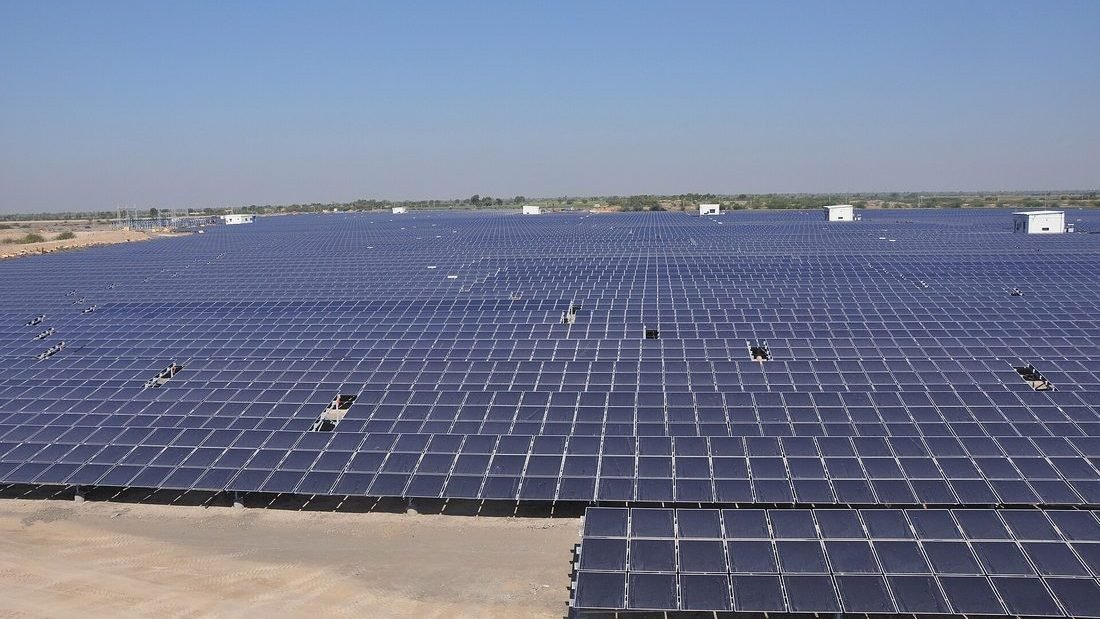
Image: Astonfield 11.5MW Solar Plant Gujarat by Citizenmj, CC BY-SA 3.0, via Wikimedia Commons.
Search for a solar EPC company in Chhattisgarh and you will find dozens, from national brands to two-person outfits reselling the same imported modules. The quotations will differ by lakhs for what looks like the same system.
They are not the same system. This is the checklist we would use if we were buying rather than selling.
Non-negotiable for residential work. Only empanelled vendors can file PM Surya Ghar subsidy claims, worth up to Rs 78,000. Ask for the registration and check it. A Rs 20,000 discount from a non-empanelled installer costs you Rs 78,000.
A registered local address you can walk into changes the dynamic entirely when something goes wrong. Ask how many years they have operated in Chhattisgarh specifically. A twenty-five-year warranty is only as good as the company behind it.
"540 W mono PERC" is a category, not a product. You want manufacturer, model number and the warranty document. Two panels with identical specifications can have very different warranty terms and very different odds that the manufacturer honours them.
The most common place to save money invisibly. Ask for the steel section, the galvanising standard and the wind speed the structure is rated for. Chhattisgarh sees serious pre-monsoon squalls, and an under-specified structure is the failure that takes the whole array with it.
Some quotes quietly omit both. In a state with this much lightning activity that is not a saving, it is a liability. You want a dedicated earth pit for the inverter and array frame, plus a surge protection device on the DC side.
If the answer is "you do", expect months of delay and a real chance the file stalls. The installer should handle registration, feasibility, inspection coordination and the commissioning report. Our installation timeline guide sets out what that process involves.
Panel and inverter warranties come from manufacturers and are identical whoever installs. The workmanship warranty is the installer's own promise covering mounting integrity, cabling, earthing and weatherproofing. Ask for years and get it in the contract.
Subcontracted labour paid per installation has no stake in how the system performs in year six. In-house crews that will be sent back to fix their own work behave differently on the roof.
A credible installer states an expected annual figure in kWh and explains the assumptions. A vague "you will save 90 per cent" with no numbers behind it is a sales line, not an engineering estimate.
Agree this before installation. Cleaning frequency, electrical inspection, earth-pit testing, response time for faults and the annual price. Details are in our maintenance guide.
A firm that says yes is confident in its technicians. It also tells you something about whether they will still be doing service work in a decade.
Then actually call them. Ask about generation against estimate, subsidy timelines, and what happened the first time they reported a problem.
| System | Fair Market Range | Be Suspicious Below |
|---|---|---|
| 3 kW residential grid-tied | Rs 1.65 - 1.90 lakh | Rs 1.45 lakh |
| 5 kW residential grid-tied | Rs 2.60 - 3.00 lakh | Rs 2.30 lakh |
| 10 kW grid-tied | Rs 5.00 - 5.80 lakh | Rs 4.40 lakh |
| 25 kW commercial | Rs 11 - 14 lakh | Rs 9.5 lakh |
| 100 kW industrial | Rs 42 - 50 lakh | Rs 37 lakh |
Prices below the right-hand column are not impossible, but they demand a specific explanation. Ask for it in writing.
Gupta Agro Solar has operated from Raipur since 2010 and is MNRE-empanelled for PM Surya Ghar installations. We name every component in our quotations, employ our own installation crews, file all CSPDCL and subsidy paperwork, provide a five-year written workmanship warranty alongside the 25-year panel performance warranty, and service systems other companies installed.
You are welcome to put every question above to us, and to any competitor you are considering. The comparison is usually clarifying.
MNRE empanelment, a physical local office, named equipment makes in the quotation, a written workmanship warranty, in-house installation crews, and a track record long enough that the company will plausibly still exist when your warranty matures.
Only MNRE-empanelled vendors can process PM Surya Ghar subsidy claims. If you install through a non-empanelled company you forfeit up to Rs 78,000, which usually exceeds whatever discount tempted you.
Rarely. Panels and inverters are commodity items with narrow price bands, so a quote well below market is cutting something - thinner structure steel, undersized cable, no earthing pit, unbranded inverter, or no subsidy eligibility. Ask what specifically is cheaper.
Named panel make, model and wattage; named inverter make and model; structure specification and galvanising standard; cable sizes; earthing and lightning protection scope; expected annual generation; warranty terms for each component; and a clear statement of who files the CSPDCL and subsidy paperwork.
Ask for three commissioned sites in your district and actually call those customers. Ask them whether the system met its generation estimate, how long the subsidy took, and what happened the first time they reported a fault.
Solar equipment has largely converged - most reputable installers fit similar panels and inverters. What differs is the engineering, the paperwork and whether anyone answers the phone in year eight. Those are the things worth choosing on.
Visit us at C-29, Sector 3, Devendra Nagar, Raipur, Chhattisgarh 492001, call 083051 31420, or send us your details online. Our team answers every enquiry from Raipur and across Chhattisgarh, usually on the same working day.
Ask us every question in this article. We will answer all of them in writing before you spend a rupee.